
Why the EHCP UK System Is Letting Families Down
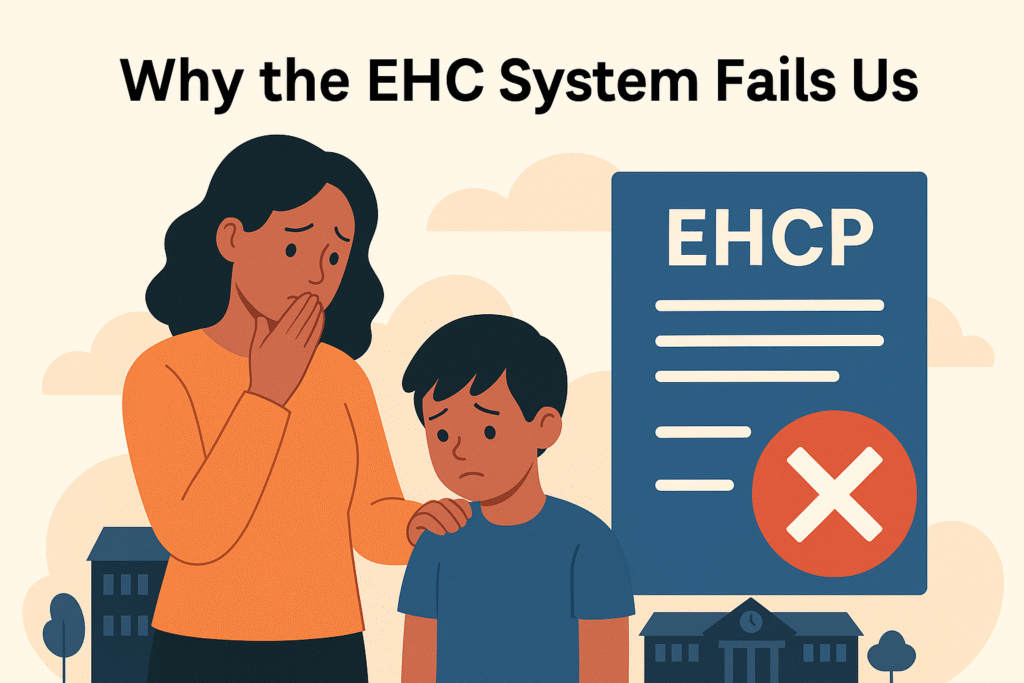
Parents who apply for an EHCP UK often begin with hope. Education, Health and Care Plans are meant to guarantee children with additional needs the support they deserve. On paper, EHCPs look like a lifeline. In reality, families find themselves trapped in a broken system that creates more battles than solutions.
Instead of securing timely help, parents face endless delays, confusing paperwork, and schools more focused on budgets than outcomes. For families like mine, the EHCP process was a constant reminder that the system is not built with children in mind.
Reason 1: Endless Delays and Missed Deadlines
One of the biggest failures of the EHCP UK system is time. Councils frequently miss the statutory deadlines for assessments. Parents wait months, sometimes years, just to receive a plan. By the time support is theoretically approved, children have already lost critical developmental windows. These lost months can never be regained. NHS guidance on EHCPs highlights that councils must meet deadlines, but the reality for families is very different.
Reason 2: Funding Battles That Put Parents Under Pressure
The EHCP process has become a battleground for funding. Schools are under pressure to secure additional resources, and parents are often caught in the middle. Families report being pressured to exaggerate their child’s symptoms to unlock funding. In our case, we were told our son could not stay in nursery unless funding was approved — it felt like blackmail. This focus on money over welfare turns EHCPs from a support tool into a weapon against parents.
Reason 3: Poor Communication and Paperwork Failures
Parents expect transparency, but instead receive confusion. In our case, we were handed an EHCP labelled number five, despite never seeing numbers one through four. When we questioned it, the school appeared to backdate paperwork. Across the UK, parents report missing files, inconsistent records, and confusing communication. The Independent Provider of Special Education Advice (IPSEA) notes that families often need legal help just to enforce their rights. The lack of accountability leaves parents powerless.
Reason 4: Plans That Exist on Paper but Not in Practice
Even when parents receive an EHCP UK approval, support does not always materialise. Schools may not hire staff, therapies may not be delivered, and progress may not be tracked. For many families, an EHCP becomes just another document gathering dust. Without strong enforcement, the promises inside these plans mean very little.
The Emotional Toll on Families
The EHCP UK failures take more than time and money. They take a toll on parents’ mental health. Families describe feeling gaslit, dismissed, and exhausted. They chase councils for updates, challenge schools over funding, and live with the constant fear that their child is slipping through the cracks. Instead of offering hope, the EHCP process often leaves parents feeling more alone than ever.
What Other Countries Do Differently
In countries like Canada and Denmark, support systems are designed to provide structured therapies quickly and transparently. Families are not forced into funding battles or endless paperwork. By contrast, the UK system creates barriers at every stage. The difference shows: children abroad often make progress earlier and more consistently because support is delivered instead of debated.
Earlia: A Practical Alternative to EHCP UK Failures
This is why I built Earlia. While councils debate and schools struggle with funding, parents need a solution today. Earlia offers affordable subscription pricing, therapist-designed activity plans, and progress tracking parents can see and control. It does not replace the legal protections of an EHCP, but it ensures families can deliver structured support without waiting years for approval.
👉 If you are struggling with the EHCP UK process, join the Earlia waitlist today to take back control of your child’s progress.
[Join the Waitlist →]
Key Takeaway
The EHCP UK system is broken. Delays, funding battles, paperwork failures, and poor implementation leave parents frustrated and children unsupported. While policymakers argue over reforms, families cannot wait. With Earlia, parents have a practical alternative that brings structure and accountability into their homes now.